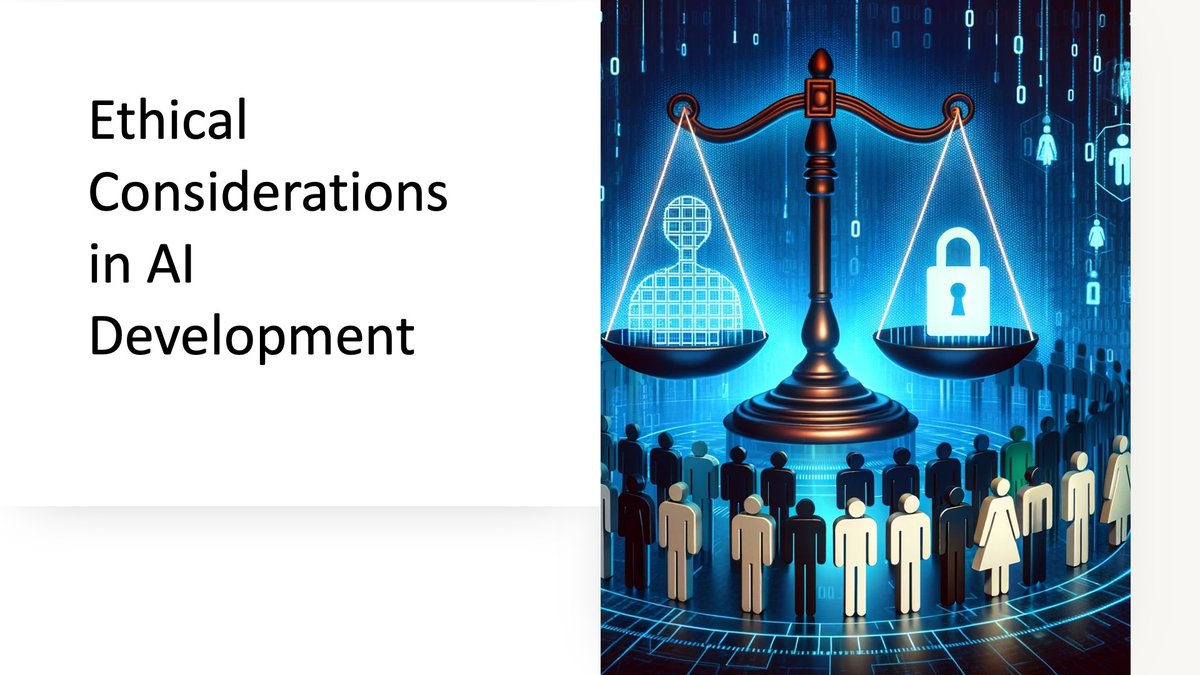
The digital world is constantly evolving, and with it, new ethical and legal dilemmas emerge. Few topics are as complex, unsettling, and rapidly shifting as the Ethical & Legal Considerations of AI Porn. What once seemed like science fiction is now a stark reality, demanding immediate attention from lawmakers, tech companies, and individuals alike. This isn't just about advanced digital manipulation; it's about consent, identity, reputation, and the very fabric of our trust in what we see and hear.
At a Glance: What You Need to Know About AI Porn
- Diverse Forms: AI porn includes deepfakes (likenesses on other bodies), synthetically generated individuals (non-existent people), and AI-assisted content (scripts, virtual actors).
- Legal Vacuum: There are no specific overarching federal laws in the U.S. addressing AI porn. Existing laws are applied, often awkwardly, to new challenges.
- Patchwork of State Laws: Some states (e.g., Virginia, California, Texas) have enacted specific laws against nonconsensual deepfake pornography, offering victims avenues for recourse.
- Key Risks for Creators/Distributors: Expect potential criminal charges or civil lawsuits for lack of consent, defamation, copyright infringement, and especially child pornography.
- Zero Tolerance for CSAM: AI-generated child sexual abuse material (CSAM), even of fictional minors, is illegal and prosecuted rigorously.
- Victim Empowerment: Victims can document evidence, report content, pursue legal action, and seek support from anti-abuse organizations.
- Technical Challenges Ahead: Attribution (who made it?), detection (is it real?), scalability (the sheer volume), and jurisdictional issues make enforcement difficult.
- A Holistic Solution: Effective regulation requires a balance of free speech, privacy, platform accountability, ethical AI development, and international cooperation.
The New Reality: What is AI Porn, Really?
Forget simple photo manipulation; AI-generated pornography is Photoshop on steroids, then multiplied by a thousand. It encompasses a spectrum of content, each presenting unique challenges. Understanding these distinctions is crucial for grasping the ethical and legal implications.
- Deepfakes: This is perhaps the most well-known category. Deepfakes involve superimposing a person's likeness (their face, voice, or body) onto another individual's existing image or video. The original footage usually depicts sexual activity, and the victim's face is digitally swapped in without their consent. Imagine your face appearing in a video you never participated in – that's the core of a deepfake.
- Synthetically Generated Individuals: Here, AI creates entirely new, non-existent people from scratch. These individuals might look incredibly realistic, but they are pure algorithmic fabrication. While seemingly less invasive than deepfakes, content involving synthetic individuals can still raise significant ethical questions, particularly concerning exploitation or the creation of harmful stereotypes.
- AI-Assisted Production: This refers to broader applications where AI tools help generate elements of pornographic content. This could include AI writing scripts, designing virtual environments, or even creating "virtual actors" who perform sexual acts. While the final output might not involve a real person's likeness directly, the process still intersects with ethical considerations around exploitation, consent, and the potential for abuse.
The common thread across all these forms is the profound disruption they pose to concepts of consent, privacy, and reality itself. When AI can convincingly create or alter intimate content, the legal and ethical frameworks built for a pre-AI world struggle to keep pace.
Navigating the Legal Labyrinth: Current Statutes and Their Limits
The legal landscape surrounding AI porn is, to put it mildly, a minefield. It's complex, evolving, and often relies on existing statutes never designed for this technology. There's no single federal law that directly criminalizes the creation or distribution of nonconsensual AI-generated pornography. Instead, legal efforts largely rely on a patchwork of laws related to obscenity, privacy, defamation, and child pornography.
The Federal Foundation: The Miller Test for Obscenity
At the federal level, the primary legal framework that could be applied to some forms of AI porn is the Miller test for obscenity, established by the Supreme Court in Miller v. California (1973). This test determines whether sexually explicit material is legally "obscene" and therefore not protected by the First Amendment. For material to be deemed obscene, it must meet all three of the following criteria:
- Appeals to Prurient Interest: The average person, applying contemporary community standards, would find that the work, taken as a whole, appeals to the prurient (lustful) interest.
- Patently Offensive: The work depicts or describes, in a patently offensive way, sexual conduct specifically defined by applicable state law.
- Lacks Serious Value: The work, taken as a whole, lacks serious literary, artistic, political, or scientific value.
The challenge with the Miller test for AI porn is its reliance on "community standards" and "serious value," which can be subjective and difficult to apply to synthetic content. More importantly, simply being pornographic isn't enough; it must be obscene by these specific standards, which is a high bar. Many nonconsensual deepfakes, while harmful and unethical, might not meet the strict legal definition of obscenity, leaving victims without federal recourse under this particular statute.
State-Level Front Lines: A Patchwork of Protections
While federal action has been slow, many states are stepping up to address the unique harms of AI-generated nonconsensual pornography. These state laws often provide more specific and actionable protections for victims.
- Virginia's Proactive Stance: Virginia Code 18.2-386.2 directly prohibits the creation and dissemination of nonconsensual pornography, including AI deepfakes. Violating this law is a Class 1 misdemeanor, which can carry significant penalties. This law specifically addresses the lack of consent in digital manipulation.
- California's Civil Remedy: California Assembly Bill 602 empowers victims of nonconsensual deepfake pornography to file civil lawsuits for damages. This means victims can seek financial compensation for the harm caused to their reputation, emotional distress, and other losses. While not a criminal statute, it provides a vital avenue for justice and deterrence.
- Texas's Expanding Definitions: In September 2023, Texas criminalized the unlawful disclosure of intimate visual material, explicitly including deepfakes within its scope. This moves Texas closer to other states in recognizing the specific harm of nonconsensual AI-generated content.
Despite these advancements, many states still interpret existing statutes on a case-by-case basis, leading to inconsistency and legal uncertainty. This patchwork approach means a victim's recourse can depend heavily on where the content was created, distributed, or where the victim resides—a significant challenge in our hyper-connected world.
Key Legal Hot Zones: Where Creators & Distributors Face Risk
Whether you're an AI developer, a platform hosting user-generated content, or an individual creating or sharing AI porn, several legal issues can land you in serious trouble.
Lack of Consent: The Core Violation
Unauthorized use of an individual's likeness in AI-generated deepfakes is arguably the most pervasive and insidious legal risk. This can directly violate a person's privacy rights (the right to be left alone) and publicity rights (the right to control the commercial use of one's identity). Many state laws against nonconsensual pornography are built on this principle. The victim never agreed to have their image used in such a way, making the content inherently exploitative.
Defamation and Libel: Harming Reputations
If AI-generated pornographic content portrays a person in a false light and harms their reputation, it could lead to claims of defamation (spoken) or libel (written/visual). Imagine a deepfake implying infidelity or inappropriate conduct that damages someone's career or personal life. The false and damaging nature of the content is key here, regardless of its explicit sexual nature.
Copyright Infringement: Whose Art Is It Anyway?
This is a trickier area, but highly relevant for AI developers and users. If AI models are trained on, or generate content directly from, copyrighted images or videos without permission, that could constitute copyright infringement. Furthermore, if the AI generates content that is substantially similar to existing copyrighted works, creators and distributors could face legal action from copyright holders. This isn't just about images; it could extend to unique virtual environments, character designs, or even scripts generated by AI.
The Zero-Tolerance Zone: Child Sexual Abuse Material (CSAM)
This is perhaps the clearest and most universally condemned area. The creation, distribution, or possession of AI-generated content depicting minors or realistic-looking minors engaged in sexual activity is illegal across virtually all jurisdictions globally. There is no legal distinction between "real" child pornography and AI-generated child pornography in the eyes of the law. Even if the child depicted is entirely synthetic and non-existent, the law focuses on the appearance of a minor and the harm of contributing to the demand for such content. This is a critical point: just because it's "not real" doesn't make it legal or morally permissible.
What if the person is fictional?
Even if a specific deepfake doesn't violate a real person's consent, the act of creating or distributing AI porn raises broader questions. What about fully synthetic characters designed to resemble a specific real person, even if not an exact likeness? Or content that exploits or objectifies, regardless of the subject's "realness"? These questions dive into the heart of responsible AI development and the ethical lines of simulated exploitation. For more on the technical side of how AI generates such content, you can explore AI porn generation.
Violators caught engaging in these activities face severe consequences, including criminal charges (fines, imprisonment), civil lawsuits (monetary damages for invasion of privacy, emotional distress, reputational harm), and often, a permanent stain on their record and reputation.
For Victims: Reclaiming Control and Seeking Justice
Being the victim of nonconsensual AI porn is a traumatic and deeply violating experience. While the legal landscape is challenging, victims are not without options. Taking swift and methodical steps can make a significant difference in mitigating harm and seeking justice.
Documenting the Damage
The first and most crucial step is to meticulously document all evidence. This includes:
- Screenshots or recordings: Capture the deepfake itself, including the URL, the date and time it was found, and any identifying information about the platform or uploader.
- Contextual evidence: Document where it was shared (social media, forums, private messages), who shared it, and any accompanying text or comments.
- Impact on you: Keep a record of the emotional distress, reputational harm (e.g., job loss, relationship issues), and financial costs incurred as a result.
- Communication logs: Save any messages, emails, or conversations related to the deepfake.
This evidence will be vital for platform removal requests and any subsequent legal action.
Reporting and Removal: Engaging Platforms
Most reputable online platforms have policies against nonconsensual intimate imagery (NCII) and hateful content.
- Understand Platform Policies: Familiarize yourself with the terms of service and reporting mechanisms of the platform where the content is hosted.
- Report the Content: Use the platform's official reporting tools. Be clear, concise, and provide the evidence you've collected. Emphasize that the content is nonconsensual and depicts you (or the victim you're reporting for) without permission.
- Follow Up: Keep records of your reports and any communication with the platform. If your initial report is ignored, consider escalating it or reaching out to privacy or legal teams if available.
- DMCA Takedown: If the content incorporates copyrighted material (e.g., your own photos used to create the deepfake), you may be able to issue a Digital Millennium Copyright Act (DMCA) takedown notice.
Pursuing Legal Avenues: Civil & Criminal Recourse
Depending on your jurisdiction and the specifics of the case, you may have legal options.
- Criminal Charges: If your state has specific laws against nonconsensual deepfakes (like Virginia or Texas), you can report the incident to law enforcement. A police investigation could lead to criminal charges against the perpetrator.
- Civil Lawsuits: As seen in California, victims can file civil lawsuits against the creators or distributors for damages. This could include claims for invasion of privacy, defamation, intentional infliction of emotional distress, and violations of publicity rights. A civil suit aims to compensate the victim financially.
- Restraining Orders: In some cases, a court order (like a restraining order or injunction) can compel the removal of content and prevent its future dissemination.
Engaging with a legal professional specializing in digital privacy, defamation, or cybercrime is highly recommended to understand your specific rights and options.
Finding Support: Organizations That Help
You don't have to face this alone. Several organizations offer support, resources, and guidance for victims of online abuse and nonconsensual intimate imagery:
- Cyber Civil Rights Initiative (CCRI): Offers a hotline and resources for victims of nonconsensual porn.
- Without My Consent: Provides legal and emotional support.
- Rape, Abuse & Incest National Network (RAINN): While focused on sexual violence, their resources can be helpful for the psychological trauma caused by AI porn.
These organizations can provide a safe space, legal referrals, and practical advice for navigating the aftermath of such a violation.
The Road Ahead: Unpassed Bills and Technical Hurdles
Despite the clear and present danger posed by AI porn, legislative action at the federal level has lagged. This inaction, coupled with significant technical challenges, makes effective regulation and enforcement a daunting task.
Proposed Federal Legislation: Stalled Efforts
Several attempts have been made in the U.S. Congress to address harmful deepfakes, but none have yet passed into law.
- The DEEP FAKES Accountability Act (2019): This early bill aimed to create criminal and civil penalties for certain types of malicious deepfakes and would have required disclosure via watermarks for synthetic content.
- The Defending Each and Every Person from False Appearances by Keeping Exploitation Subject (DEEP FAKES) to Accountability Act: Another proposed bill with similar aims, seeking to establish clearer legal frameworks for accountability.
These bills often face hurdles related to free speech concerns, defining what constitutes "harmful" deepfakes, and the practicalities of implementation and enforcement. The slow pace of legislation stands in stark contrast to the rapid evolution of AI technology.
Why Regulation is So Hard: The Tech Challenge
Even with robust laws, enforcing them against AI porn presents formidable technical obstacles.
Attribution: Who Made This?
One of the biggest challenges is identifying the anonymous creators and distributors of AI porn, especially across decentralized platforms and encrypted channels. Tracking the origin of digital content can be incredibly difficult, often requiring significant digital forensics and international cooperation. The decentralized nature of many online communities and the ease of creating anonymous accounts complicate efforts to hold perpetrators accountable.
Detection: Spotting the Fakes
AI-generated content is becoming increasingly sophisticated and realistic, making it incredibly difficult to distinguish from genuine content. While AI detection methods exist, they are in a constant arms race with AI generation techniques.
- GAN Fingerprinting: Analyzing unique "fingerprints" left by Generative Adversarial Networks (GANs), a common AI model for creating fakes.
- Facial Feature Analysis: Looking for subtle inconsistencies in facial movements, expressions, or anomalies in anatomical structures.
- Noise Pattern Analysis: Real images have inherent noise patterns from camera sensors; AI-generated images often lack these or have different, artificial patterns.
- Metadata Analysis: Examining digital information embedded in files, though this can often be stripped or manipulated.
The problem is that as detection methods improve, so do the generation methods, leading to an ongoing cycle of escalation.
Scalability: The Deluge of Digital Content
The sheer volume of online content being uploaded every second far overwhelms human moderation capabilities. Automated systems are necessary but often struggle with accuracy, leading to false positives (removing legitimate content) or false negatives (missing harmful content). Balancing efficient moderation with precision is a monumental task.
Jurisdictional Headaches: A Borderless Problem
The internet has no borders, but laws do. AI porn created in one country, by a perpetrator residing in another, and distributed on platforms hosted in a third, complicates enforcement exponentially. This necessitates robust international cooperation, harmonized legal frameworks, and agreements on data sharing and extradition—all of which are notoriously difficult to achieve.
Toward a Safer Digital Future: A Multi-pronged Approach
Given the complexity, a truly effective solution to the ethical and legal challenges of AI porn requires a comprehensive, multi-pronged approach that balances various societal interests and leverages technology, policy, and public education.
Balancing Rights: Free Speech vs. Privacy
The debate often pits freedom of expression against the right to privacy and protection from harm. Clear guidelines are needed to delineate where artistic expression ends and where exploitation and violation of consent begin. This isn't about stifling creativity but about preventing abuse, especially when a real person's identity is stolen and manipulated.
Platform Responsibility: More Than Just a Host
Online platforms cannot simply claim to be neutral hosts for content. They have a moral and, increasingly, legal responsibility to:
- Proactive Moderation: Invest in advanced AI detection tools and human moderation teams to identify and remove harmful AI porn.
- Transparent Policies: Clearly state their stance on AI-generated NCII and provide accessible reporting mechanisms for victims.
- Swift Action: Respond promptly and effectively to reports of abuse.
- Data Sharing (with safeguards): Cooperate with law enforcement (when legally mandated) while protecting user privacy.
Holding platforms accountable for the content they host is critical to disrupting the distribution networks of AI porn.
Ethical AI Development: Building Defenses In
The responsibility also lies with those developing AI technologies.
- Preventative Measures: AI models should be designed with safeguards to prevent the generation of harmful content, particularly CSAM and nonconsensual deepfakes. This might involve ethical guardrails, content filters, and biases against generating certain types of imagery during training.
- Traceability: Developing technologies that embed immutable watermarks or "fingerprints" into AI-generated content could help with attribution and detection.
- Transparency: Clearly labeling AI-generated content can help audiences distinguish between real and synthetic media.
This ethical approach to AI development is not just about compliance but about fostering a responsible technological ecosystem.
International Cooperation: A Global Solution
Since the internet transcends national borders, individual country laws can only go so far. International cooperation is essential for:
- Harmonizing Laws: Developing shared legal principles and definitions for AI-generated harmful content.
- Cross-Border Enforcement: Facilitating mutual legal assistance between countries to investigate and prosecute perpetrators.
- Shared Best Practices: Collaborating on detection technologies, moderation strategies, and victim support.
Without a global effort, perpetrators can simply move their operations to jurisdictions with laxer laws.
Public Awareness & Digital Literacy
Finally, education is a powerful tool. Raising public awareness about the existence and dangers of AI porn, and teaching digital literacy skills to discern real from fake content, is crucial. This includes:
- Educating Youth: Teaching younger generations about online consent, privacy, and the risks of sharing personal images.
- Media Literacy: Helping everyone develop critical thinking skills to evaluate online media and question the authenticity of what they see.
- Empowering Victims: Ensuring individuals know their rights and the resources available if they become a victim.
A well-informed public is better equipped to protect themselves and demand stronger protections.
Your Role in the Evolving Landscape
The ethical and legal considerations of AI porn are still very much under scrutiny, but they demand more than just passive observation. If you're a developer, consider the ethical implications of your algorithms. If you're a platform operator, prioritize user safety and robust content moderation. As an individual, exercise caution, protect your digital footprint, and verify what you see online.
Most importantly, if you or someone you know becomes a victim of nonconsensual AI porn, remember that it is a serious violation, and help is available. Document everything, report the content, and seek support. The fight for a safer, more ethical digital world is ongoing, and collective action is our strongest defense against the misuse of powerful AI technologies.